



New Zealand’s history connects migration, authority, land, language and changing relationships. Its turning points continue to shape public life.
Voyaging and settlement
The human history of Aotearoa is relatively recent in global terms. Polynesian ancestors of Māori reached the islands in deliberate voyages across the Pacific, bringing knowledge of ocean navigation, cultivation and community organisation. Settlement is generally placed in the late thirteenth century. Over generations, people developed distinct iwi and hapū relationships, adapted food systems to local climates and formed close connections with the landscapes they inhabited.
Knowledge passed through whakapapa, oral histories, place names, carving, weaving, waiata and other forms. Oral histories, place names, carving, weaving and waiata preserved law, genealogy, memory and practical knowledge alongside written records. Māori communities were diverse before European arrival and remain diverse now.
European contact expanded from the seventeenth and eighteenth centuries through exploration, trade, sealing, whaling and missionary activity. Contact brought new technologies and commercial opportunities, as well as disease, conflict and changes in power. The effects varied by region and by the relationships between local communities and newcomers.
Te Tiriti and the Treaty texts
In 1840, representatives of the British Crown and many Māori rangatira signed a document known in English as the Treaty of Waitangi and in Māori as Te Tiriti o Waitangi. The Māori and English texts differ in wording and in how they describe authority. Those differences are central to later debates about sovereignty, kāwanatanga, rangatiratanga, land and the promises made by the Crown.
The agreement travelled to communities around the country, gathering signatures at different places over time; some rangatira chose not to sign. The circumstances of signing, the two texts and the Crown’s subsequent actions have been examined repeatedly in political, legal and community settings. It is inaccurate to treat the Treaty as a single, fully settled translation whose meaning is obvious without context.
For many Māori, Te Tiriti is an enduring agreement that shapes relationships with the Crown. It continues to inform public policy, settlement processes, land and resource decisions, and discussions about New Zealand’s constitutional foundations.
The first major signing was not a one-day, country-wide event: about 40 rangatira signed at Waitangi on 6 February 1840, while other Treaty sheets were carried to communities over subsequent months. Some rangatira chose not to sign. The distinction between the Waitangi gathering, later signing hui and the Crown’s actions after signing helps explain why local Treaty histories cannot be reduced to a single national ceremony. NZ History records the Waitangi meeting and sheet.
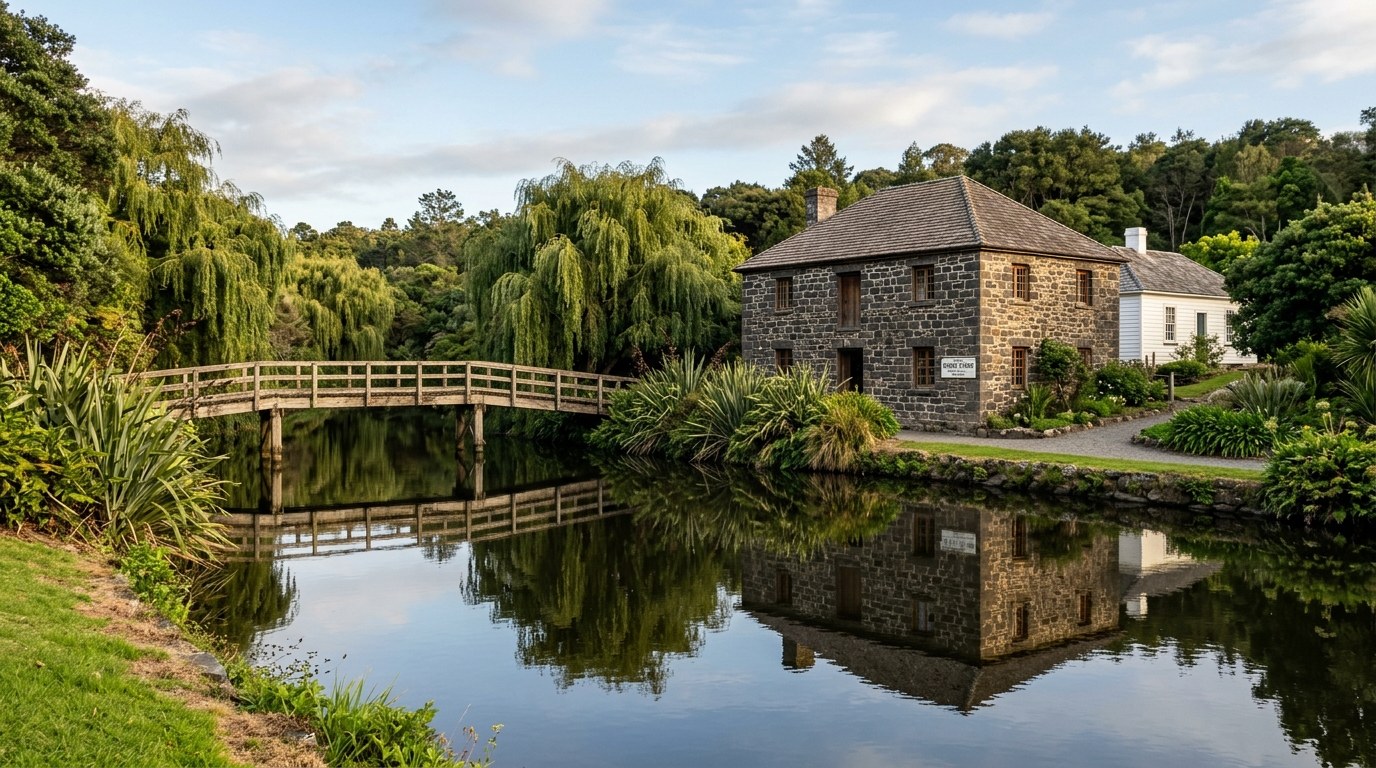
Colonisation reshaped land, power and people
British colonisation accelerated through the 1840s and later decades. New settlements, land purchases and government policies changed who controlled territory and resources. Disputes over land and authority developed into wars in several regions from the 1840s to the early 1870s. The Crown confiscated large areas of Māori land, while other land was transferred through processes that often undermined collective ownership and local authority.
Land loss changed more than property boundaries. It affected food systems, the ability to maintain marae and communities, access to resources and the authority of iwi and hapū. Māori communities responded through resistance, negotiation, litigation, petitions, political organisation and efforts to preserve language and cultural practice. Those responses differed across the country.
European settlement also changed the economy and built towns, ports, roads and railways. Agriculture, mining and export trade expanded. New institutions were established, while Māori participation in political and economic life was shaped by laws that frequently favoured settlers. A national timeline can show the sequence; local history explains what a particular community lost, defended or adapted.
| Period | Event or shift | Why it matters |
|---|---|---|
| Late 13th century | Polynesian settlement of Aotearoa | Communities developed distinct relationships to land and sea |
| 1642 and 1769–70 | European contact, then Cook’s charting voyages | Trade, migration and imperial interest increased |
| 6 February 1840 | NZ History records 43 rangatira on the Waitangi sheet at Waitangi (the precise count is disputed); copies then travelled to other communities | Signatures occurred in different places and circumstances; not all rangatira signed. NZ History’s Waitangi account |
| 1845–1872 | The New Zealand Wars, land confiscations and political change | Land, authority and community structures were disrupted |
| 19 September 1893 | The Electoral Act granting women the right to vote received assent | More than 90,000 women voted in the November election; the right to stand for Parliament came later. NZ History’s suffrage timeline |
| 1975 and 1985 | The Treaty of Waitangi Act established the Tribunal in 1975; a 1985 amendment extended its jurisdiction to Crown conduct dating back to 6 February 1840 | Its original and later roles differ, and Tribunal recommendations are distinct from negotiated settlements. NZ History’s timeline |
Nationhood through social change
The nineteenth century saw the establishment of colonial government and self-governing institutions. In 1893 New Zealand became the first self-governing country to grant women the right to vote in national elections. The vote did not immediately create equal access to political power; Māori women, working-class women and women of colour faced different barriers to participation.
During the twentieth century, the country’s economic ties moved beyond Britain. Urban growth, changes in agriculture and manufacturing, war service and social welfare shaped household life. Māori urban migration increased after the Second World War, changing community structures while many families remained connected to their rohe. Pacific migration and later migration from Asia and other regions made the population more diverse.
The Waitangi Tribunal, established in 1975, created a formal process to investigate Crown actions and Treaty claims; its powers and scope changed over time. Settlements have addressed grievances through apologies, cultural redress, financial arrangements and co-management in some places. They cannot restore every lost relationship, and each claim has its own history.
Language revival and public identity
By the mid-twentieth century, many Māori communities were concerned about the decline of te reo Māori as children moved into English-medium schools and urban settings. Māori-led revitalisation gained strength through initiatives such as kōhanga reo, kura kaupapa Māori, Māori broadcasting and language policy. The Māori Language Act 1987 recognised te reo Māori as an official language.
Public use of Māori names, greetings and language has expanded alongside renewed visibility for Māori arts and knowledge. Māori people, organisations and families have driven this shift. Language transmission, Māori-medium education, representation and the use of Indigenous knowledge remain live issues.
New Zealand’s national identity has also been shaped by Pacific connections, immigration, sporting culture, protest movements and changing views of the Crown. The country is often described as multicultural, but that word should not obscure the constitutional relationship between Māori and the Crown or the different histories of communities who arrived later.
Reading a local history well
- Start with the iwi and hapū whose rohe includes the place; their histories may differ from a national overview.
- Notice whose names and records appear in a museum or street map, and whose accounts are absent.
- Distinguish a signed agreement from the political decisions made afterward.
- Read land confiscation and settlement histories through the affected communities alongside legislation and court decisions.
- Use oral histories, archival records, taonga and place names in the context their holders provide.
Historical interpretation is not weakened by acknowledging disagreement. A reliable account makes the source of disagreement visible, explains the terms in use and allows for different public memories of a contested event.
The Māori culture guide focuses on living practice and local context. The cities and regions page follows how regional economies and settlement patterns shape daily life now.
Memory is carried in place
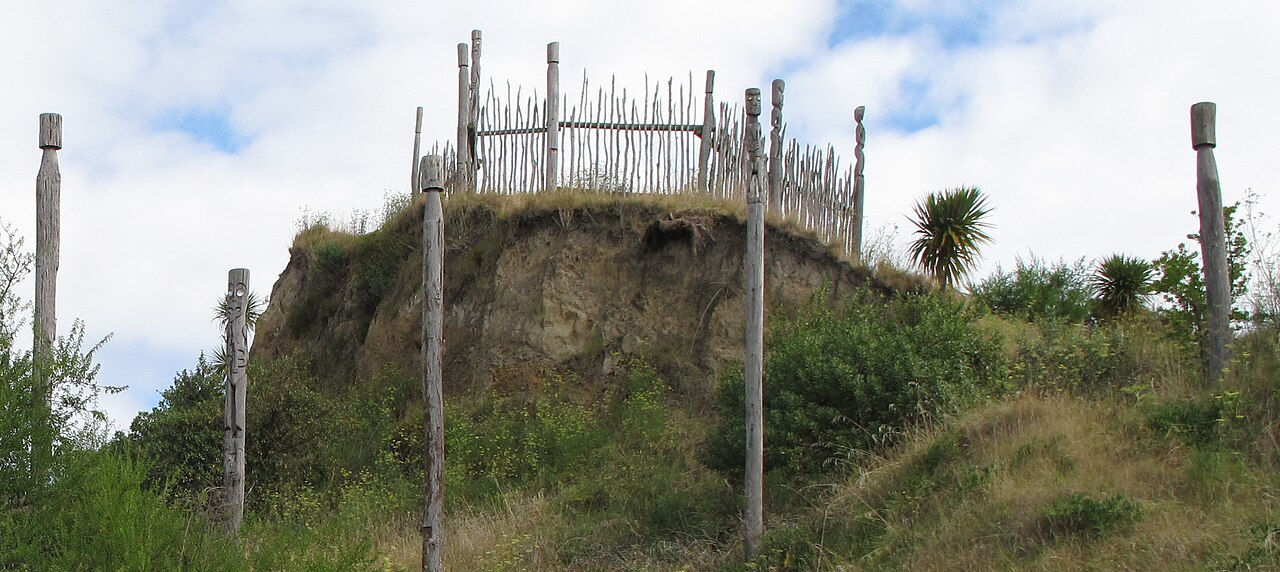
Historic sites, marae, battlefields, meeting houses, wharenui, town halls, cemeteries and memorials hold different kinds of memory. A plaque can mark a date while leaving out the people who experienced the event. Local interpretation often adds the names, relationships and ongoing consequences that a short label cannot contain.
Visitors should follow restrictions on photography, access and the handling of objects. Some sites are sacred or connected to people who have died; others remain part of everyday community life. The physical setting carries part of the history told there.
Local history beyond national dates
A national timeline can show when legislation passed or a government changed, yet it cannot explain how an event affected each rohe. A confiscation, court ruling, migration wave or industry closure may have different consequences across neighbouring communities. Local archives, iwi histories, family records and place names add detail that a national summary necessarily leaves out.
Schools, museums and public memorials make choices about which people and events receive space. Those choices can change as communities share more information or challenge an older account. A monument may remain in place while its interpretation changes; a former public narrative may be revisited without erasing the people who lived through it.
When a history is contested, useful questions include who created the record, whose language it uses, what decision followed and who still carries its effects. In a land dispute, a court record, a Crown file, an iwi account and family memory can describe different parts of the same process.