

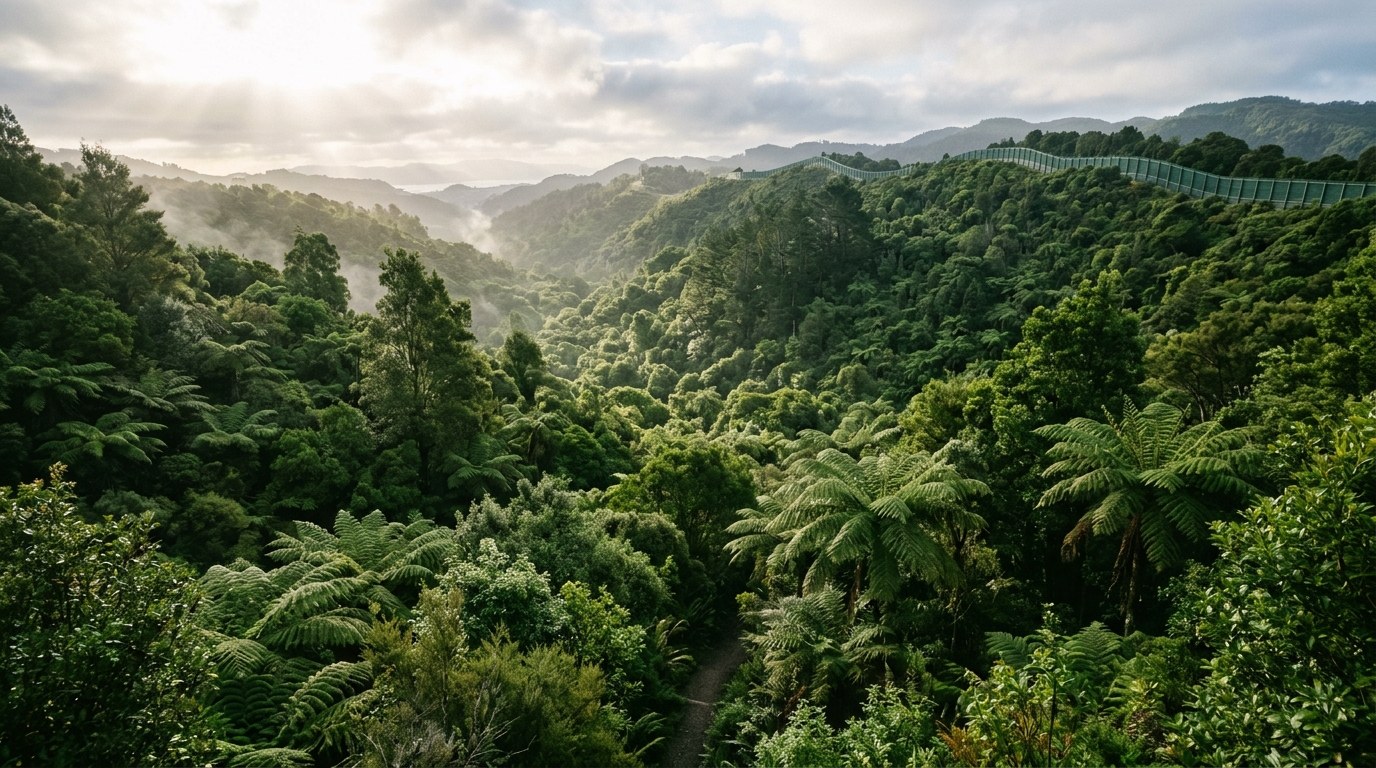
Conservation work across Aotearoa includes predator control on islands, habitat restoration in forests and wetlands, protection programmes on farms, and urban biodiversity projects. Iwi and hapū, landowners, councils, community groups and conservation agencies take part under different local goals.
Set a local conservation goal
“Protect nature” can mean several distinct things: keeping a threatened species from disappearing, restoring a wetland, reducing predators around a nesting area, reconnecting fragmented forest, controlling invasive plants or maintaining a river’s health. Each goal needs a different scale of work. A method that succeeds on a small offshore island may not be practical beside farms, towns or remote mainland forest.
Conservation decisions also involve people who hold different responsibilities for the same landscape. Mana whenua, landowners, local communities, councils, conservation groups, scientists and public agencies may contribute knowledge, authority, labour or funding. Good work makes those roles visible instead of presenting a landscape as an empty canvas for a technical fix.
Long-term care matters. A planting day can establish seedlings, but weeds, browsing animals, drought and flooding continue after the volunteers leave. Predator control can protect a breeding season, but reinvasion may require ongoing work. Success is a change in habitat or species condition that persists, not a photograph of one day’s activity.
Different tools address different pressures
- Agree on the outcome. Name the habitat, species or ecological process the work is meant to improve.
- Record the starting point. Note the current condition and the pressures acting on the site.
- Match the tool to the pressure. Choose an intervention that fits the land, target and local authority.
- Measure the response. Track ecological change and unintended effects, not just hours worked.
- Fund maintenance. Plan for reinvasion, plant survival, equipment and future monitoring before the first workday.
Conservation programmes often combine several tools. Planting native trees beside a stream can improve shade and habitat, but pest control may be needed to protect seedlings. A predator programme can reduce risk to birds, while a nearby road, pet or development project continues to create pressure. The design has to reflect the whole local system.
The trade-offs of predator control
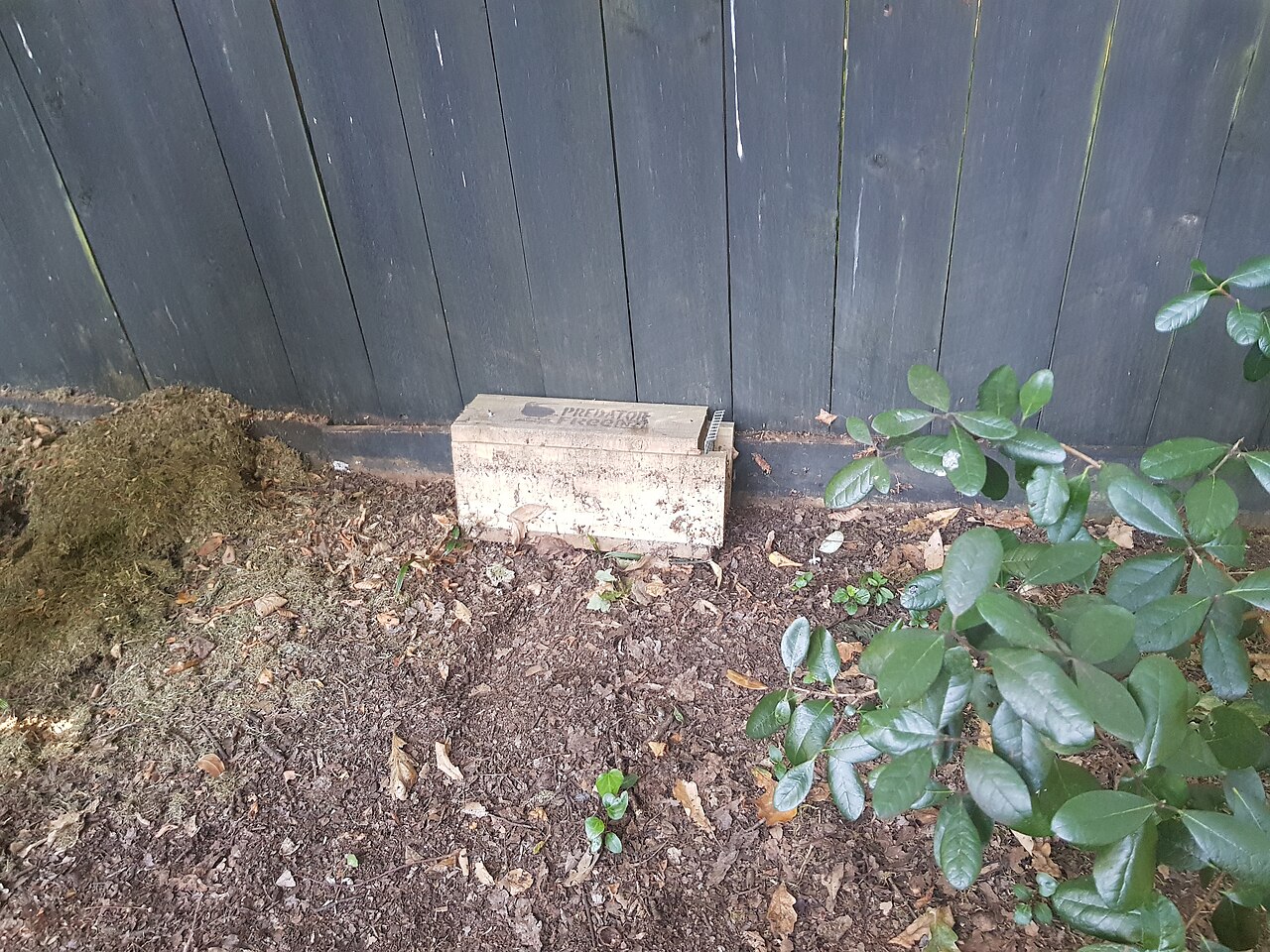
Rats, stoats and possums place pressure on many native species and forests. Control programmes use traps, bait stations and aerially applied toxins in locations where terrain and scale make other methods impractical. Each method has different risks, costs and limits. Public debate is most useful when it considers target species, non-target effects, monitoring, animal welfare, community concerns and the ecological outcome being sought.
Aerial 1080 operations can cover rugged terrain that would be difficult to manage with hand-laid traps. They are planned with location-specific notices, safety rules and follow-up monitoring. Dogs are especially vulnerable to toxin exposure, so temporary track and forest restrictions matter. A familiar route may be closed after an operation; the restriction should be followed even when no sign appears at the nearest road entrance.
DOC’s national programme identifies priority sites based on ecosystem risk, predator patterns, threatened species and partnership with iwi, hapū and community stakeholders. The scope and timing change by year and site. Reading the operation notice for a specific area is more useful than generalising from a different forest.
Restoration reconnects land and water
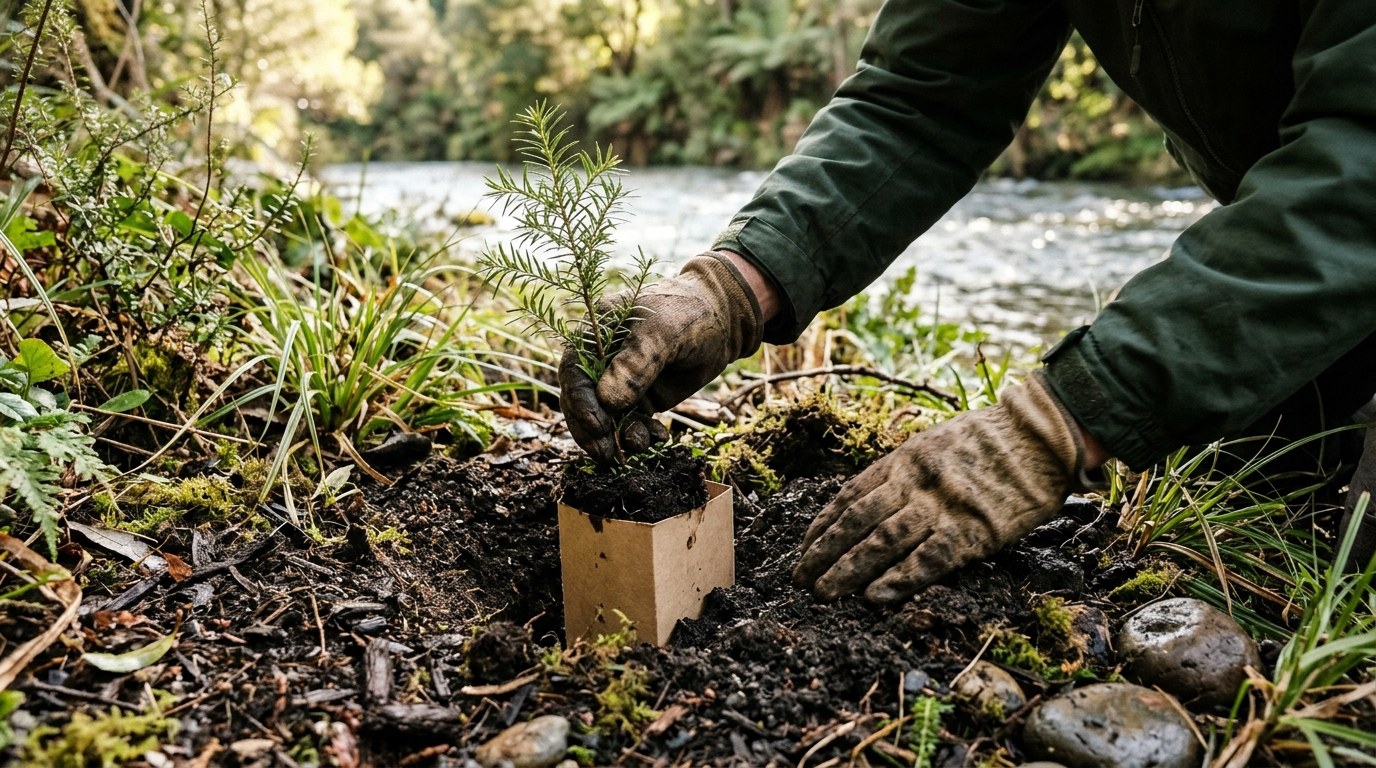
Planting stream margins can filter runoff, shade water and reconnect habitat. Wetland restoration can improve water storage, create breeding space for birds and support plants that have been lost through drainage or grazing. Forest corridors help some species move between habitat patches. These projects work best when planting choices reflect local ecology rather than a generic list of fast-growing trees.
Native planting does not automatically create native forest. Seed sources, soil, weeds, browsing, drought and maintenance determine what survives. A planting plan may include a pioneer canopy, later forest species and protection of natural regeneration. It can also identify places where planting is inappropriate, such as naturally open ecosystems or areas where the wrong species could displace rare habitat.
Restoration is slower than the visible work suggests. A newly planted stream edge is not yet the mature habitat it aims to become. Repeated measurements - plant survival, water quality, shade, pest pressure or species presence - help a community distinguish activity from ecological change.
Biosecurity is conservation at the boundary
Many conservation problems begin when a pest, disease or weed reaches a new place. Islands, alpine sites and isolated forest remnants can be vulnerable because an arriving organism may have few natural controls. Cleaning footwear, boats, bikes and gear can interrupt that pathway. The work can feel routine, which is why clear signs and repeated practice matter.
Biosecurity extends beyond footwear. Garden plants can escape into bush, aquarium species can be released into waterways, and food or bait can attract pest animals. A boat hull can carry marine organisms between harbours. Report unusual pest sightings through the relevant council or agency channel, using a precise location and a clear description.
Offshore islands provide threatened species with refuges from introduced predators. Quarantine checks, access restrictions and closed areas reduce the risk of new pests and disturbance, protecting the habitat and breeding conditions needed for recovery.
Partnership shapes conservation in Aotearoa
For Māori, relationships with whenua, awa and moana are expressed through whakapapa, mana whenua and kaitiakitanga. These concepts are grounded in particular communities and places. Conservation partnerships can include co-governance, customary practice, mātauranga Māori, monitoring, restoration and decisions about access. The arrangement differs by rohe and by the history of a site.
Community-led projects may be organised through iwi and hapū groups, local trusts, schools, neighbourhood associations or conservation charities. Their work can include trapping, planting, weed control, visitor education and species monitoring. A group’s effectiveness depends on more than volunteer hours: land access, technical support, funding, tools and continuity all matter.
People encountering a project from outside should avoid assuming that one community’s approach speaks for another. Local leadership determines which outcomes matter and how participation is invited. In some places the appropriate role for a visitor is simply to follow access rules and leave a restoration site undisturbed.
Join existing conservation work
- Use the local group or council plan that already covers the site instead of starting an uncoordinated planting.
- Choose native plants suited to local ecosystems and keep invasive species out of gardens and waterways.
- Follow dog, fire, bait and access notices on conservation land.
- Record observations carefully, with date and location, when a monitoring project asks for them.
- Ask where tools, seedlings, expertise or long-term maintenance are most useful before volunteering time.
Small actions can matter, but their effect depends on fit. Planting the wrong species can damage a natural wetland; moving a pest animal may spread it; sharing an exact nest location can expose a vulnerable bird. Local guidance turns good intent into useful care.
The endemic wildlife guide explains the species and habitats that conservation protects. The national parks page covers visitor access where conservation, recreation and cultural values meet.
Conservation measures need an update rhythm
Predator numbers, weather, species condition and public access all change. A programme that worked under one set of conditions may need a different design after fire, drought, flood, a mast year or new development. A clear update cycle identifies who checks the information, when it is reviewed and what evidence triggers a change.
That discipline is valuable for a national programme and a small neighbourhood reserve. It keeps public claims tied to what has been measured, makes trade-offs visible and prevents yesterday’s success from being presented as permanent recovery.
Useful indicators differ by project. Trap checks, hectares planted and volunteer hours record activity; predator detections, seedling survival, breeding success and stream condition show ecological response. The gap between the two can be long: planting totals appear immediately, while a developing canopy or returning species may take years to register.
Current policy snapshot: DOC’s 2026–2030 Predator Free strategy was launched in March 2026 and adds feral cats to the key introduced predators alongside rats, mustelids and possums. The 2030 framework has five indicator goals, including maintaining or increasing threatened-species populations through suppression and establishing one predator-free New Zealand city. DOC says its National Predator Control Programme protects 20% of public conservation land. These milestones sit on the path towards the 2050 eradication goal; they are not claims that those places are already free of predators. DOC’s 2026–2030 strategy summary distinguishes the 2030 indicators from the longer-term target.