


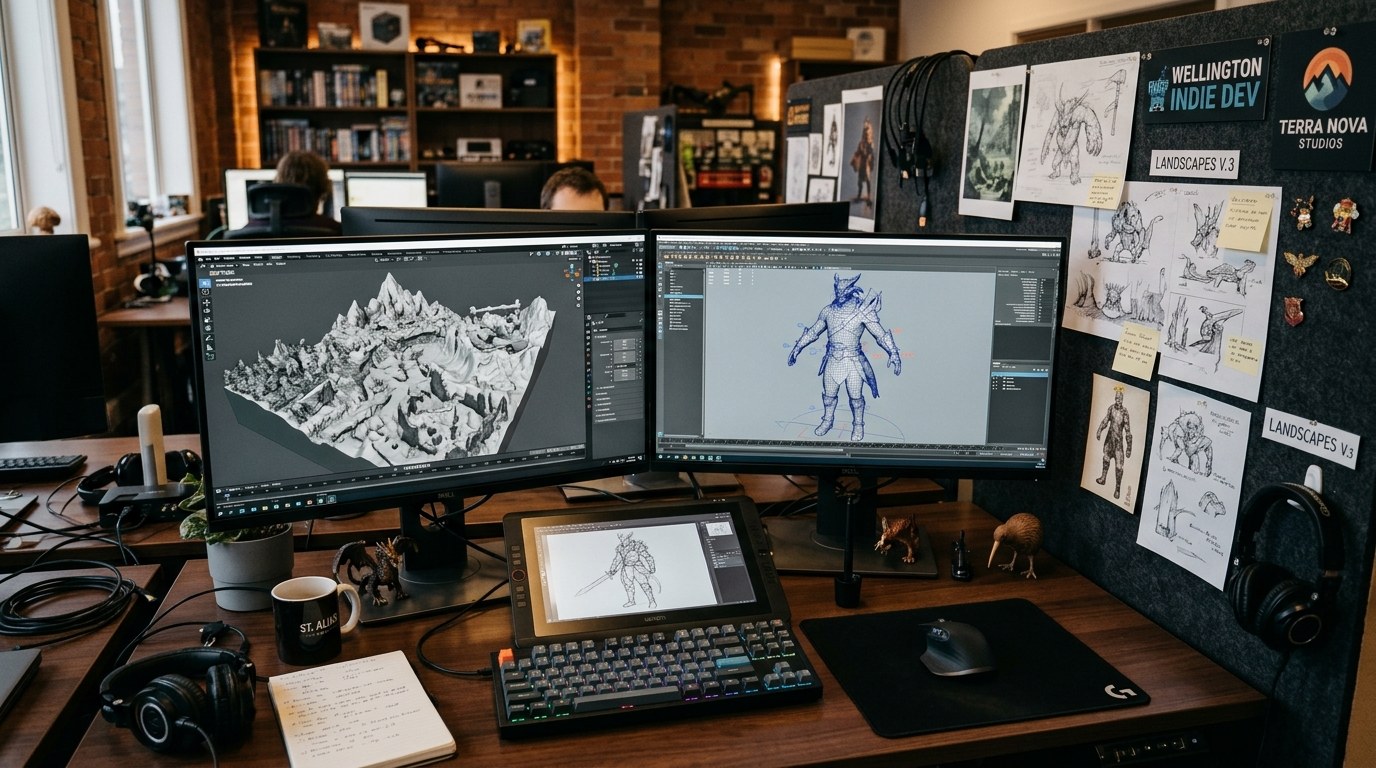
New Zealand game development is an export-facing creative industry built by small and specialist teams. Its commercial reach is international, while its workforce and production base remain local.
Local studios can sell worldwide
New Zealand’s game-development industry creates games for players who may never know where a studio is based. The domestic audience is small compared with the largest global markets, so studios often design for international platforms and distribution. That export orientation can bring significant revenue into the country, while leaving developers exposed to currency shifts, platform policies and the changing cost of global user acquisition.
The New Zealand Game Developers Association’s latest industry figures put sector revenue at NZ$1.002 billion for the 2025–26 financial year, with 95% from international consumer sales. Those figures show how strongly sales can be separated from a studio’s physical location: a team in Aotearoa may build a product whose players, publisher and payment systems sit across several countries.
Game development is often confused with esports, streaming or the wider gaming market. Those activities are connected but distinct. Game development creates the software and related creative assets; esports organises competitive play; streaming distributes gameplay and commentary; publishing handles marketing, launch and distribution. Each field has different jobs, risks and revenue models.
How a game moves from idea to live product
- Prototype: test the core mechanic and technical risk with the smallest playable slice.
- Scope: decide which features fit the budget, team and release window.
- Build: coordinate code, art, sound, levels and production dependencies.
- Test: check compatibility, accessibility, performance and player experience across devices.
- Operate: support launch, patches, community, updates and platform requirements.
Many studios use a vertical slice - a small playable section that demonstrates the intended quality and production approach. It can help a team estimate the real cost of later work. A playable prototype is still not a guarantee that a finished game will find a large audience; discovery, reviews, timing and platform placement influence the result.
Funding may come from founders, publishers, co-development contracts, public support or a combination. A publisher can provide capital, marketing and platform knowledge, but may ask for rights, milestones or a share of revenue. A studio must weigh the financing against control of the game’s intellectual property and the risk of missing a milestone.
Small teams need broad skills
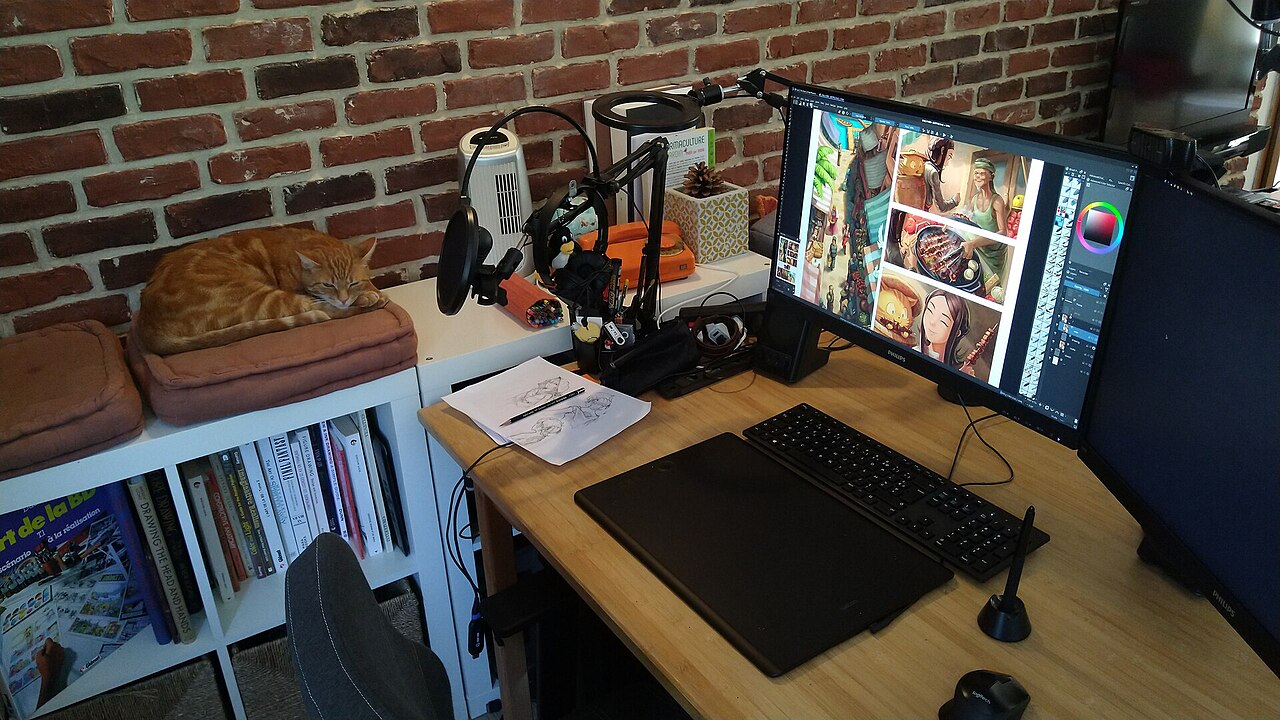
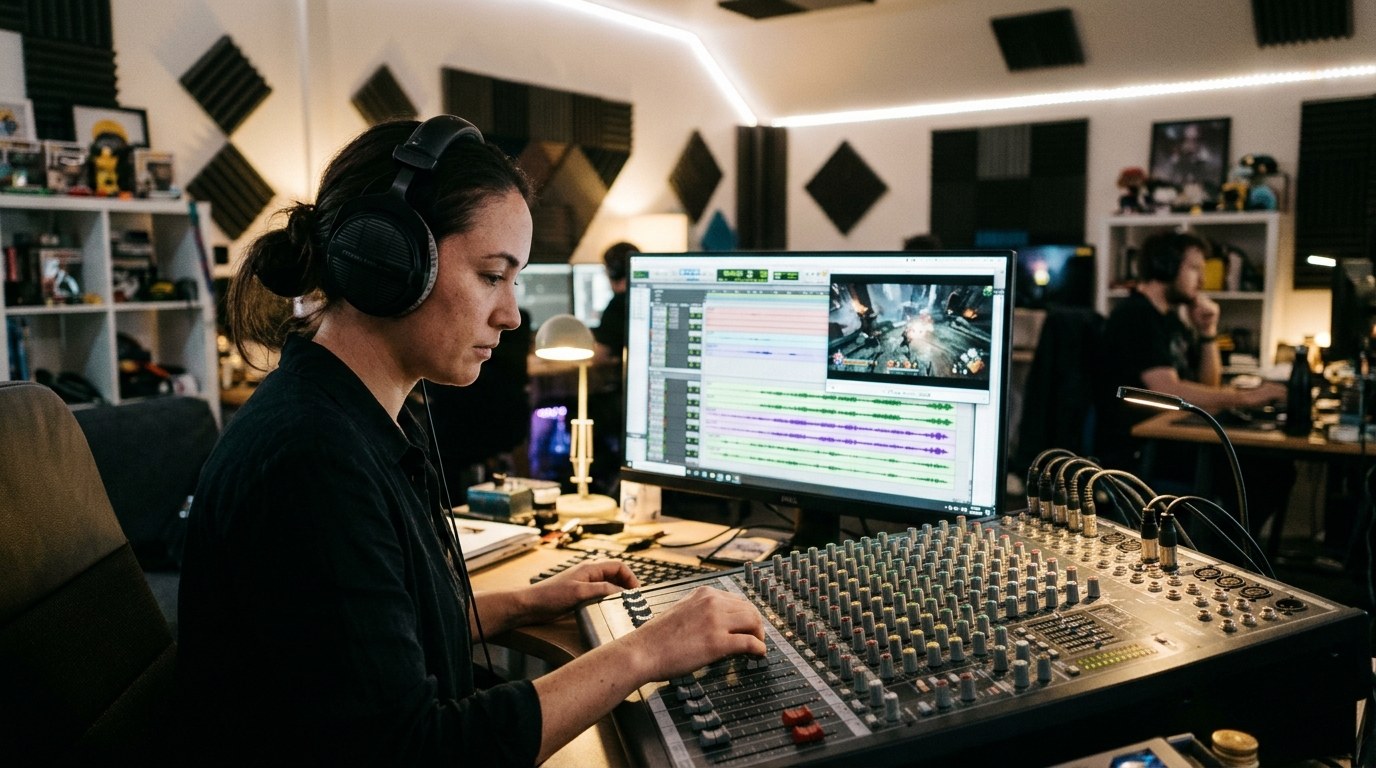
Game teams combine programming, game design, illustration, 3D art, animation, sound, writing, player testing, quality assurance, production and business development. A small studio may expect each person to work across several disciplines. A larger project can separate roles into specialist teams, though it also requires more coordination and management.
Relevant skills include software engineering, interactive design, digital art, audio production, project planning, accessibility, analytics and community support. An early-career portfolio can show how those skills are applied through a playable project, concise documentation and evidence of changes made after feedback.
Not every studio has an open graduate role at the moment a student finishes training. Freelance work, quality assurance, support and co-development can provide entry points, but each has different stability. Career planning should include where people can build experience and how long they can manage between projects.
Public support and game funding
The Game Development Sector Rebate is designed to support eligible game-development activity in New Zealand. It sits alongside grants, private investment, publisher deals and the work studios do for external clients. In the 2026 round, NZ On Air reported that NZ$21.9 million was distributed to 43 eligible studios. Programme settings, eligibility and application dates can change, so a studio should read the current funding rules before shaping a business plan around the rebate.
Public support can help a team retain work and develop its own projects, while also creating an obligation to meet eligibility, reporting and local-spend requirements. A rebate can reduce eligible production costs, while a viable product and committed financing plan remain essential. Studios need cash to bridge the time between project costs and reimbursement, and an application that is not approved does not remove those costs.
Funding has a wider effect when it supports skills, local ownership and sustainable production rather than a one-off burst of work. Studios, training providers, government and investors each influence whether people can build a long-term career in the sector.
Export success and local constraints
New Zealand’s distance from major game markets is less of a barrier to digital delivery than it is for physical goods, yet time zones, platform relationships and international marketing still matter. A team may need to coordinate with a publisher in Europe, an engine provider in the United States and players in Asia while working from a small local talent pool.
Revenue can grow without a matching rise in headcount. High-value sales may reflect successful intellectual property, a small number of major titles or strong overseas demand, while total employment remains sensitive to studio closures and project shifts. The sector’s health should be judged by a mix of revenue, job quality, studio survival, local ownership and the number of people who can enter and stay in the industry.
Small markets also shape what gets made. A studio may build games that can travel across cultures, while retaining a distinct Aotearoa voice in language, world-building, humour or visual design. Local teams work across many styles; pressure to appeal globally can broaden a project or flatten its cultural detail.
Work in games can be project-based
Employment in game development may include permanent roles, fixed-term contracts, freelance commissions and co-development work. A person comparing two roles should look at actual hours, ownership of work, credit, equipment, leave, termination terms and who controls changes to scope. Freelancers need written terms and time for invoicing, tax and gaps between engagements.
Industry communities and events can help people find collaborators and learn about production practice. They do not replace employment rights or a clear agreement. The distinction between passion and paid work should remain visible, especially when a studio asks a person to complete unpaid work as a condition of consideration.
Game development also depends on inclusive teams. Accessibility expertise, translation, cultural consultation, moderation and player support need time and budget. Treating those roles as optional can create products that exclude players or place avoidable pressure on a small team.
Player-facing design is part of the business
Games reach players through app stores, consoles, computer platforms, subscriptions and direct sales. Those channels shape pricing, refunds, age ratings, privacy, data collection and customer support. A studio that uses user accounts, in-game purchases or community features has responsibilities beyond making a stable build.
Clear pricing, understandable purchase flows and appropriate parental controls support trust. Randomised paid rewards and social features need careful design, age-appropriate safeguards and accessible information. A creator should distinguish optional cosmetic items from features that change competitive balance or progression.
Online safety and user rights are explored separately in the user protection guide. The regulatory context for online gambling is different from the game industry and is covered in New Zealand’s online gambling regulation page.
Studios and skills across New Zealand
Auckland and Wellington have established screen and game networks, while studios and individual developers also work elsewhere. Remote collaboration can support a regional team, yet access to events, specialist suppliers, mentors and experienced hires may vary. A studio’s location shapes recruitment and production costs; it does not determine the quality of the work.
Training pathways include tertiary courses, software qualifications, art and animation study, workplace learning and self-directed production. Course information is more useful when it explains how much time learners spend completing a build, sharing team roles and using production tools. A finished small game, supported by build notes and a record of feedback, gives assessors concrete evidence of the learner’s work.