

New Zealand’s creative life is shaped by a small, internationally connected market and an unusually varied landscape; local identity comes through its makers, stories and regional audiences.
Place and choices shape screen stories
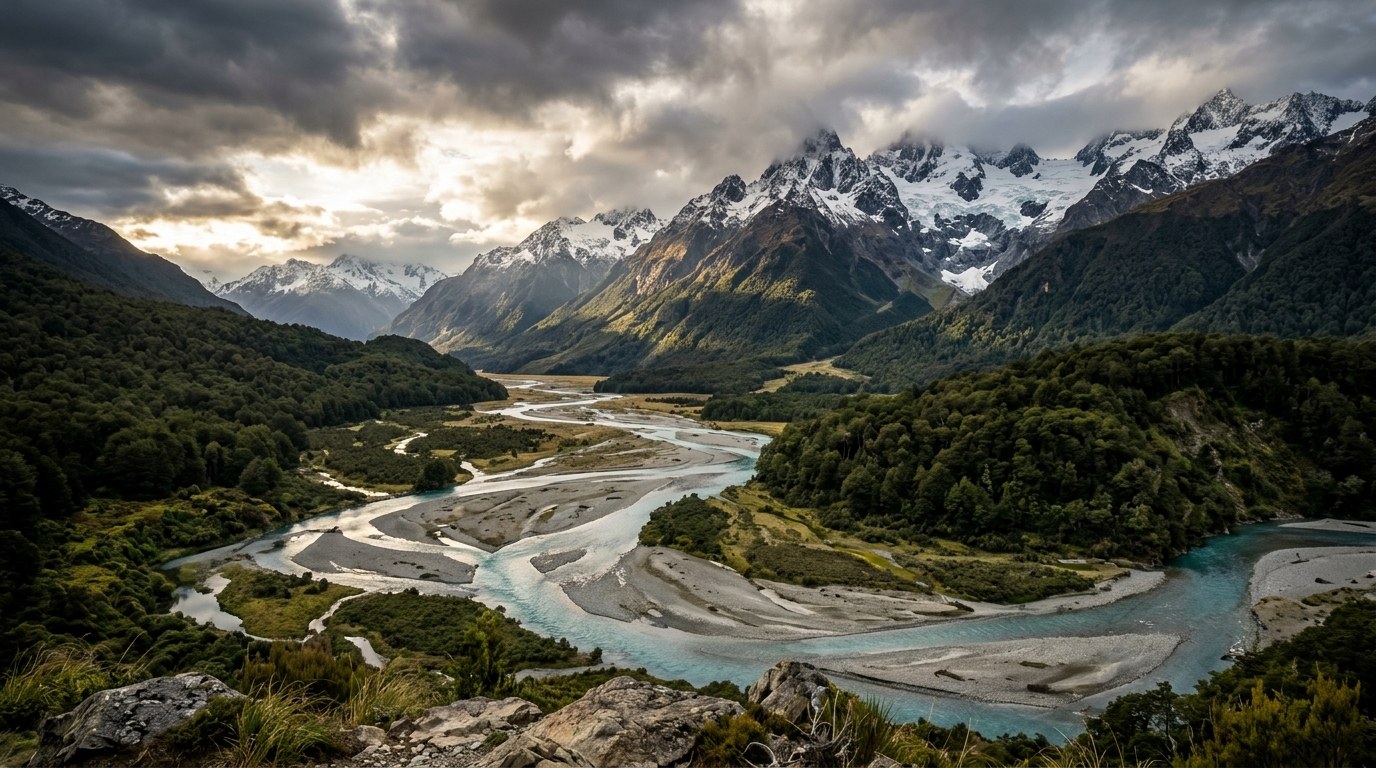
New Zealand is often recognised through cinematic landscapes: mountains, forests, coastlines, rural towns and open country. A screen location gains meaning through the people, history and visual choices connected to it. A film shot in Aotearoa can represent an imagined world, a local history or a contemporary community; the scenery alone cannot tell the difference.
New Zealand art and cinema emerge from a small domestic market with strong international connections. Artists work in public galleries, independent spaces, film crews, animation studios, design practices, community venues and digital platforms. Some projects travel widely; others are made for local audiences or a particular language community. Their scale and funding needs vary.
Creative work also builds skills in storytelling, design, production, post-production, sound, performance, coding, project management and distribution. The same crew may move between local productions and international projects, while a smaller studio may develop its own intellectual property over several years.
How a screen project takes shape
- Development: secure story rights, shape the script and form creative partnerships.
- Pre-production: set the scope, budget, crew, location permissions and schedule.
- Production: coordinate performance, camera, sound, lighting, design and safety on set.
- Post-production: edit the work, build its sound and visual effects, then prepare delivery versions.
- Distribution: choose festivals, cinemas, broadcasters, streaming services or sales routes for the intended audience.
Production infrastructure includes sound stages, water tanks, workshops, post-production houses, animation and visual-effects teams. Auckland and Wellington host substantial facilities, with additional expertise in other centres. A production company choosing New Zealand is selecting a workforce and a production system as well as scenery.
That infrastructure supports jobs, but employment can be project-based. Film and television work may be intense during production and uncertain between projects. Freelancers need to manage contracts, credit, tax and gaps between engagements. A strong creative economy depends on training and secure pathways as much as on a few high-profile productions.
Place matters to production
A location can double for somewhere else on screen, but the choice involves local people, roads, land access and environmental conditions. Filming on public conservation land, private property, roads or within a community may require different permissions. Production teams need permission and an impact plan before using a location; planning covers access, safety and respect for cultural values.
Location teams need to understand weather, daylight, transport, accommodation, waste and restoration of a site after filming. The same coast or forest may be a workplace, a habitat and a culturally significant place. A sound location choice weighs production needs, site impact and local users alongside visual appeal.
Film tourism can bring visitors to a location after a release, sometimes increasing pressure on a small community or fragile landscape. A respectful visit recognises the difference between an on-screen image and the real place, follows local signage and avoids trespassing in search of an exact camera angle.
Indigenous and Pacific voices reshape film
Māori and Pacific creators work across many genres and viewpoints. Their work may draw on whakapapa, language, land, migration, family, politics, humour or speculative worlds. These stories can be made for Māori and Pacific audiences, for a wider New Zealand public or for audiences overseas. The creative authority belongs to the people making the work and the communities with whom they share it.
Indigenous screen work also raises questions of authorship, language, control of images and who benefits from a story. A production that uses a place, motif or community history should build relationships before cameras arrive. Consultation after a script is finished may be too late to influence the story’s basic assumptions.
Public funding, broadcasters, festivals and training programmes can affect which voices are able to make a film and which audiences can see it. A lasting screen presence depends on repeated opportunities for writers, directors, performers, crew and distributors to shape their own work.
Art happens outside the major galleries
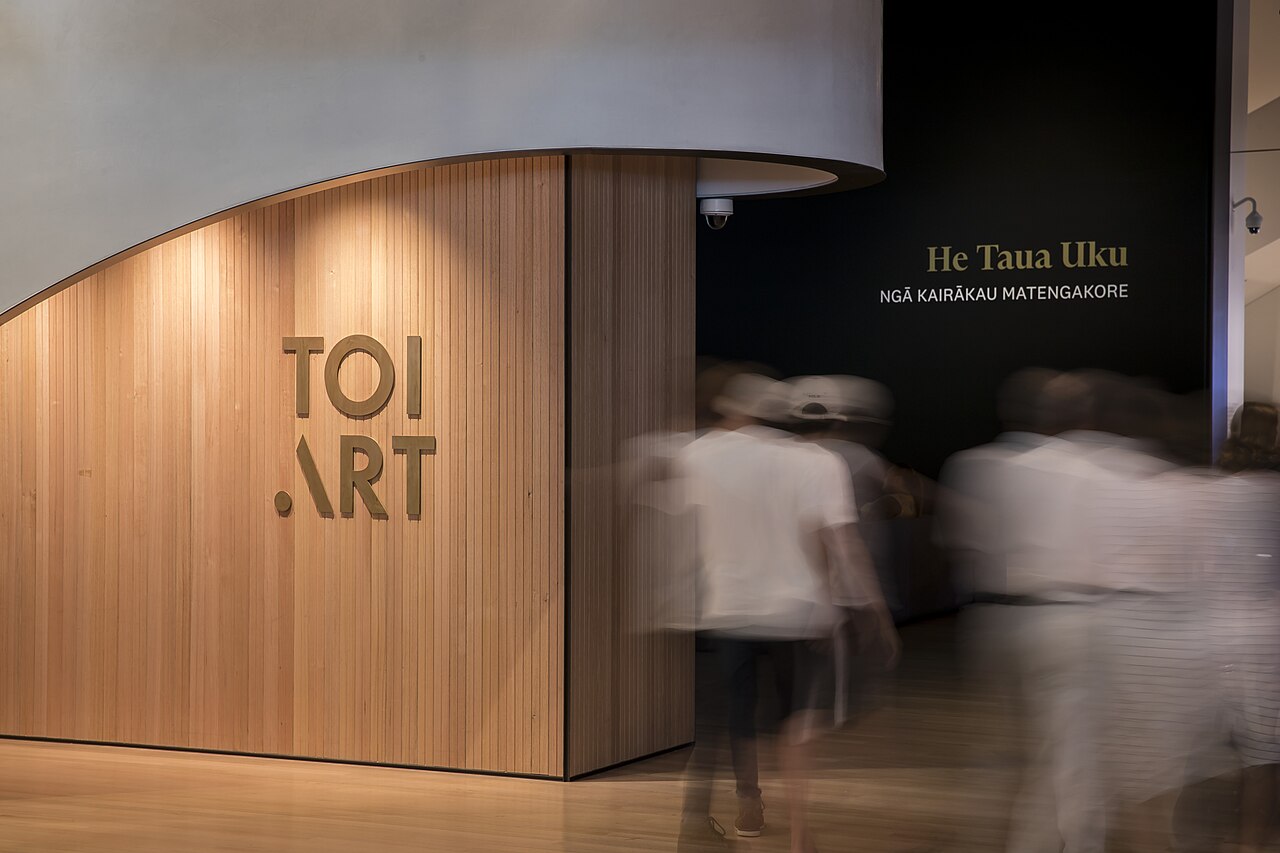
New Zealand’s visual arts include contemporary painting and sculpture, photography, craft, design, installation, public art and digital practice. Māori and Pacific arts are part of this wider field, with specific histories and protocols of their own. Regional galleries, artist-run spaces, community museums and public collections each create a different relationship between work and audience.
Public art can change how people use a square, library or waterfront. It may respond to local history, ecology or urban development. A work’s meaning can shift as its site changes; moving or renaming it can raise questions about who decides how public memory is represented.
Museums and archives preserve objects and moving images. Decisions about provenance, consent, cultural authority and access shape how collections are cared for and displayed. A digitised image can be widely visible while still requiring restrictions on reuse or attribution.
Shared skills in film, TV and games
Visual effects, animation and virtual production connect screen work with software, computing and design. Those capabilities overlap with the game-development sector: artists, programmers, sound designers and producers may move between projects or studios. The creative technologies overlap, while commercial models and production cycles differ.
A live-action film typically relies on a large temporary crew and a fixed production window. A game studio may sustain a small team through years of development, then face a concentrated launch period and a long tail of updates. Both need pathways for graduates, experienced workers and independent creators, yet the risk profile changes with ownership, funding and distribution.
The New Zealand gaming industry guide explains the game-development side. Screen work is also connected to public events: festivals offer a place for local films, audiences and makers to meet outside a streaming catalogue.
Ways to experience creative work regionally
- Look for a gallery, cinema, archive or artist-run space close to the town you are visiting.
- Check whether a screening includes captions, language information or a discussion led by the makers.
- When a public artwork is on a marae, urupā or culturally significant site, follow the host’s protocol rather than treating it as a photo stop.
- Support local festivals and independent cinemas where they operate; their programmes can surface work missing from mainstream releases.
- Use location maps as a starting point, while keeping access and residents’ privacy in view.
Regional arts centres can reveal what a city or district values, while a screening room can show how a story travels through different audiences. A film’s release context - who funded it, who made it and where it was first seen - adds meaning that a location list cannot provide.
Creative infrastructure has limits
New Zealand’s industry can provide specialist production facilities and skilled teams, yet its small population and distance from major markets create constraints. Crews may face gaps between projects, regional venues may struggle to sustain year-round programmes, and local films compete for audience attention on global platforms. A rebate can attract a production, but it cannot by itself guarantee locally owned stories or stable career pathways.
Long-term creative capacity depends on development support, training, reliable work, local distribution and public access. The choices made at each stage - who controls rights, where profit goes, which language is used and whose experience is represented - shape the cultural outcome beyond the final credits.
- New Zealand Screen Production Rebate
- Under the 2026 criteria, qualifying New Zealand productions may receive a 40% cash rebate on eligible production expenditure. For productions beginning principal photography on or after 1 July 2026, the feature-film minimum spend is NZ$1 million; the project must also meet the relevant New Zealand-content or co-production rules. The incentive is administered by the New Zealand Film Commission and is not a general-purpose grant for any arts project. NZFC’s current eligibility page sets out the project tests.
- Ngā Taonga Sound & Vision
- Aotearoa New Zealand’s audiovisual archive preserves more than 800,000 items dating from 1894. Its public desk is in the General Reading Room at the National Library, 70 Molesworth Street, Thorndon, Wellington; viewing access may require an appointment. This is a concrete route into film, television, radio and sound history beyond current cinema releases. Ngā Taonga’s access and location details list current hours.
Audiences shape how creative work travels
A cinema release, community screening, gallery exhibition and online platform reach different audiences. A film with te reo Māori dialogue may use subtitles to carry the story to wider audiences, while a festival screening can make space for a discussion that a streaming service cannot. Captions, audio description and accessible venues expand who can take part; they are production choices that need planning and budget.
Libraries, archives and regional galleries also influence what survives beyond a release. The Ngā Taonga Sound & Vision collection preserves moving-image and sound histories, while local museums hold material tied to particular towns and communities. Access can be limited by copyright, cultural protocol or preservation needs. Copyright and cultural protocol still govern reuse of digitised work.
For a viewer, context can be as simple as learning who made the work and where it was first shown. For a creator, the same context raises questions about rights, attribution and long-term control. A cinema season, education licence, festival screening and later streaming window can each carry different terms for access and revenue.