


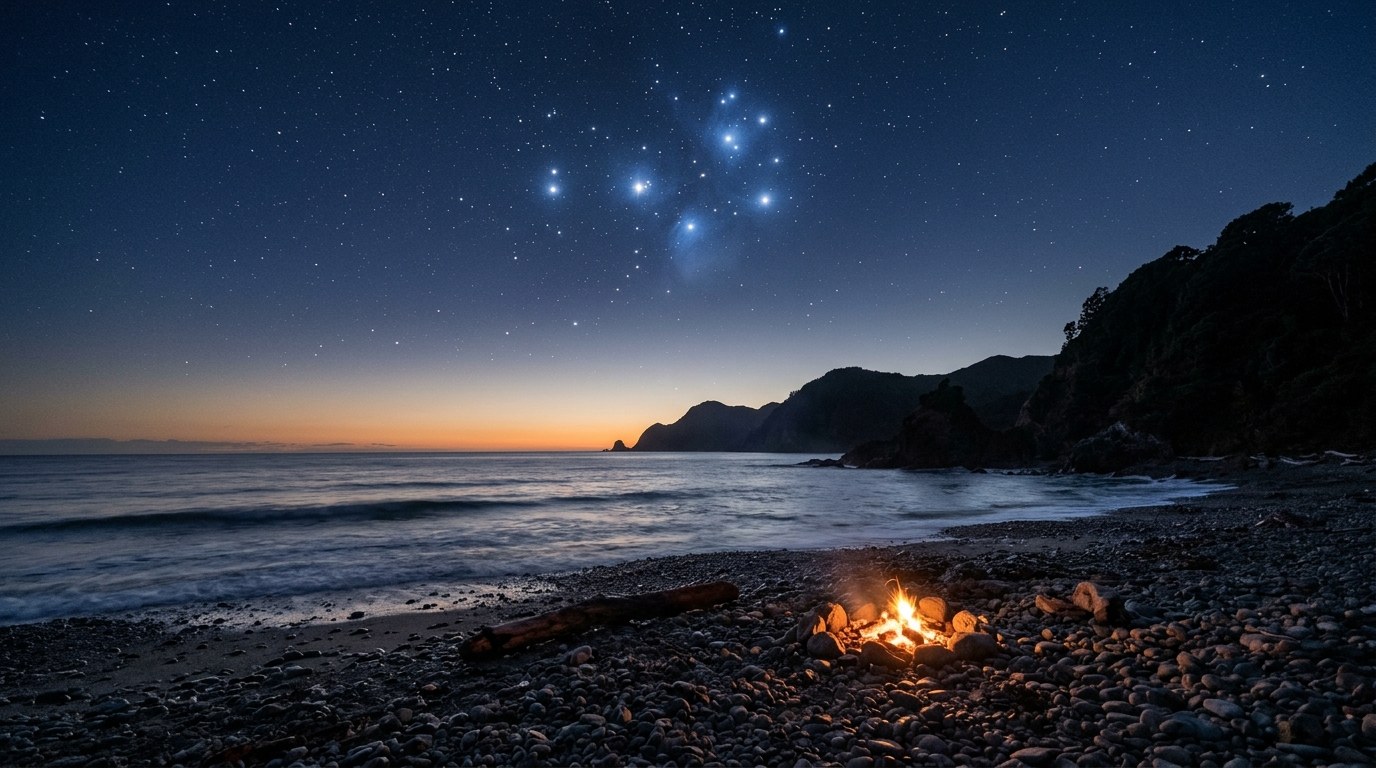
New Zealand’s calendar combines public holidays, civic remembrance, seasonal celebrations and community-run festivals. Their meanings are shaped by the people who host them and the places where they happen.
One calendar holds different kinds of events
- Matariki
- A winter observance whose public holiday date changes each year. Remembrance, celebration and looking ahead are central themes; local practice varies.
- Waitangi Day · 6 February
- A national day connected to Te Tiriti o Waitangi and the ongoing relationship between Māori and the Crown.
- ANZAC Day · 25 April
- A day of remembrance for New Zealanders who served and died in wars and conflicts.
- Regional anniversary days
- Dates differ around the country and reflect local histories and public-service arrangements.
- Community festivals
- Organisers choose dates around venues, school terms, weather, funding and the communities they serve.
Public holidays, commemorations, religious observances, seasonal celebrations and ticketed festivals each serve a distinct purpose. A public holiday affects work and public services; a commemoration may be quiet and reflective; a community festival can be shaped by the organisations and families who host it. Understanding that difference makes the calendar easier to read than treating every event as a day off or a tourist attraction.
National dates create shared moments, but local calendars are equally important. Anniversary days differ by region, and community-run festivals may move with school terms, weather, venue availability or funding. Dates and programmes change from year to year. A listing from a previous season is not a reliable schedule for the current one.
Some gatherings are open public events; others are designed for a particular community. Hosts set the boundaries for photography, access and participation; attendance alone does not set the terms.
| Occasion | 2027 date | Planning detail |
|---|---|---|
| Waitangi Day | Saturday 6 February; observed Monday 8 February | National public holiday; regional events and road arrangements are local |
| ANZAC Day | Sunday 25 April; observed Monday 26 April | Local services may begin before sunrise and affect streets or transport |
| Matariki | Friday 25 June | The public-holiday date moves with the annual Matariki calendar |
The dates above are the 2027 national calendar, not a promise that a particular festival runs on the same weekend. Event programmes are set by organisers, while observed public-holiday dates affect work and some services. The government’s public-holiday calendar and Te Papa’s Matariki date table publish future years.
Matariki marks a Māori seasonal calendar
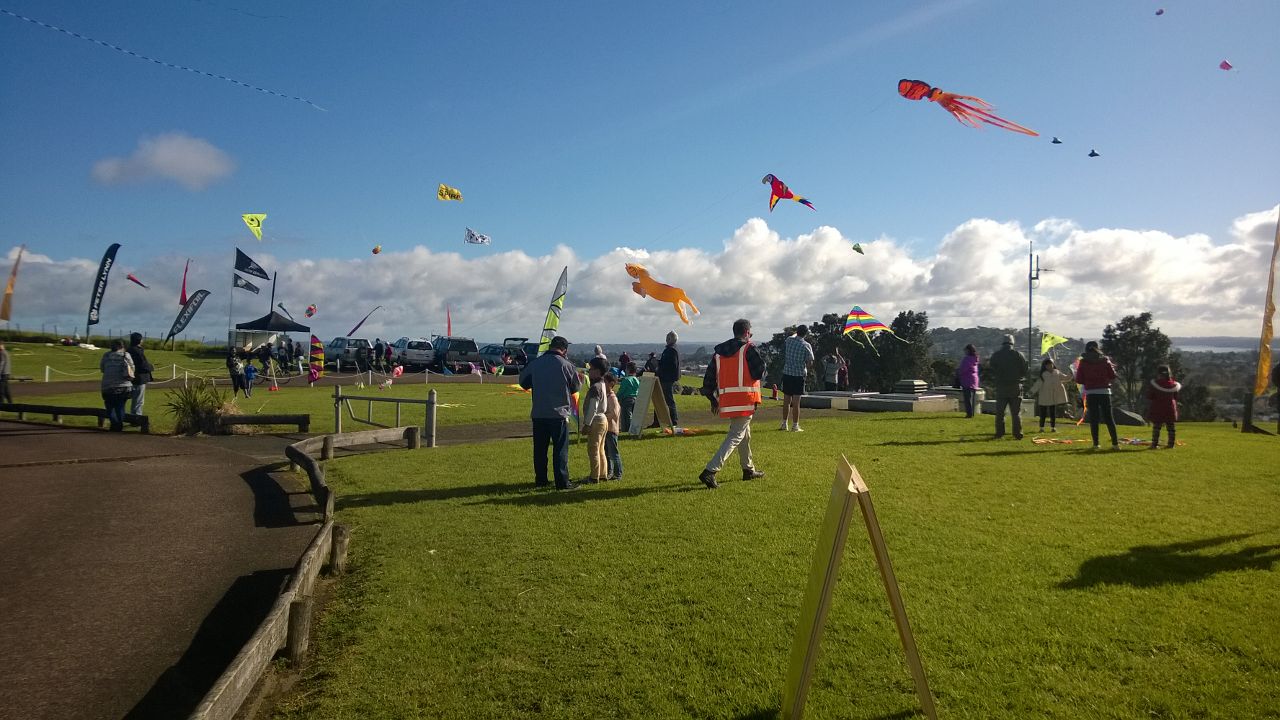
Matariki is the name for a star cluster whose midwinter appearance is linked by many iwi to the Māori New Year. The holiday is a time for remembrance, celebrating the present and looking to the future. Its date changes each year because it is connected to lunar phases and the visibility of the stars, rather than to a fixed day on the Gregorian calendar.
Not every iwi uses the same marker. Some communities in parts of the west coast of the North Island recognise Puanga as the signal for the new year. Regional practice also shapes the details of observance. Matariki observance varies by iwi and rohe; no single programme represents every community.
Public Matariki events may include shared kai, learning, storytelling, art, astronomy, remembrance or a hautapu ceremony. The choice of activity matters less than the values and local context that inform it. Some ceremonies are hosted by iwi and broadcast publicly; others are private or have specific participation protocols.
Waitangi Day's living political history
Waitangi Day commemorates the signing of Te Tiriti o Waitangi and the Treaty of Waitangi in 1840. The English and Māori texts use different language for authority and rights, and their meaning continues to be debated in law and public life. Events around the country may include ceremonies, speeches, cultural performances, education, protest or community gatherings.
The day can hold celebration and criticism together. A flag ceremony or concert does not erase the unresolved consequences of colonisation, land loss and Treaty breaches. Visitors should understand that Māori communities may approach the day differently. A respectful account makes room for both national commemoration and the claims, discussions and responsibilities that remain active.
At Waitangi and other Treaty-related sites, ceremonies are led by local hosts. Follow access rules and requests about photography, speeches and participation. A public festival can share a place with private or sacred activity.
ANZAC Day is remembrance before spectacle
ANZAC Day honours members of the Australian and New Zealand Army Corps and, more broadly, New Zealanders who served and died in wars and conflicts. Dawn services, wreath-laying and community gatherings are common forms of remembrance. The day is often marked by solemnity, family memory and attention to the cost of service.
Attendance rules and public transport vary by location. Some services begin before sunrise and may involve road closures. People attending should check local arrangements, arrive quietly and follow instructions at memorials. Photographs can be intrusive during a personal moment; the presence of a camera does not make every part of a ceremony public.
Pacific and community festival stories
New Zealand’s Pacific festivals reflect long-standing relationships across the ocean and the growth of Pacific communities in Aotearoa. Auckland’s Pasifika Festival and Polyfest are large public examples, while smaller events around the country are organised by community groups, schools, churches and arts organisations. Music, dance, food, language and family gathering can sit together, with different meanings for each community.
Visitors should avoid treating Pacific performance as a single pan-Pacific tradition. Samoa, Tonga, Niue, the Cook Islands, Fiji and other communities have distinct languages, histories and cultural forms. A festival programme may bring them together while still giving each group its own stage and voice.
Arts festivals, regional food events, Matariki programmes and local fairs create another kind of calendar. Some prioritise professional performance; others are built around volunteers and neighbourhood participation. A low-cost community event may offer more local contact than a large commercial festival, while a major event can create a valuable space for audiences and artists from across the country.
Plan for access, weather and services
- Check event dates directly with the organiser; annual calendars and venues change.
- Book transport and accommodation early for large festivals or regional holiday weekends.
- Look for road closures, accessible entrances, quiet areas and public transport changes.
- Respect requests about filming, clothing, seating, food or restricted ceremony areas.
- For outdoor events, plan for sun, rain, wind and cold evenings even when the day begins mild.
Public holidays can affect shops, medical services, buses and opening hours. A destination may feel busy even when its main event is free. Keep a small amount of flexibility for parking, queues and weather, particularly when several events share a town centre.
School and regional calendars matter too
School holidays influence family travel, accommodation demand and the timing of some community events. Regional anniversary days can create a long weekend in one part of the country while another region has an ordinary workday. Employers, schools and local authorities publish calendars that reflect their own hours and closures.
Some events are intentionally scheduled around a seasonal marker; others move because of practical constraints. Local organisers hold the most current schedule for their events. A festival’s social media post or community notice may contain updates that are not reflected on a national tourism calendar.
The Māori culture guide offers context for tikanga, language and local practice. The history guide explains the events behind national commemorations without reducing them to dates on a calendar.
Event access depends on hosts' guidance
A festival can welcome visitors while keeping some cultural knowledge or ceremony private. Asking before taking close-up photographs, buying crafts from authorised makers and following local instructions supports the people whose work makes an event possible. A quiet moment of remembrance calls for a different kind of attention than a dance stage or food stall.
Public holiday dates are set in national law, while the meaning and form of observance remain social and local. Shared dates allow people to gather while communities observe them in different ways.
Celebration does not pause everyday work
A public holiday changes the work calendar, yet hospitals, public transport, shops, hospitality and emergency services continue under different arrangements. Workers may receive public-holiday entitlements when the day would otherwise be a normal working day for them. The same date does not create a day off for every worker; entitlement depends on current employment rules and the terms of the role.
Festival organisers also work through practical details that are easy to miss from a programme: access routes, noise limits, waste, volunteer shifts, weather cover and transport home. A free event still has real costs and capacity. Respecting queue systems, accessibility areas and requests from organisers helps keep a public celebration usable for the people it was designed to serve.
For families, a holiday weekend can mean both celebration and care work. School closures, childcare, shift schedules and travel arrangements affect who can attend. Community programming that offers different times, low-cost access and clear transport information can broaden participation without changing the cultural purpose of an event.